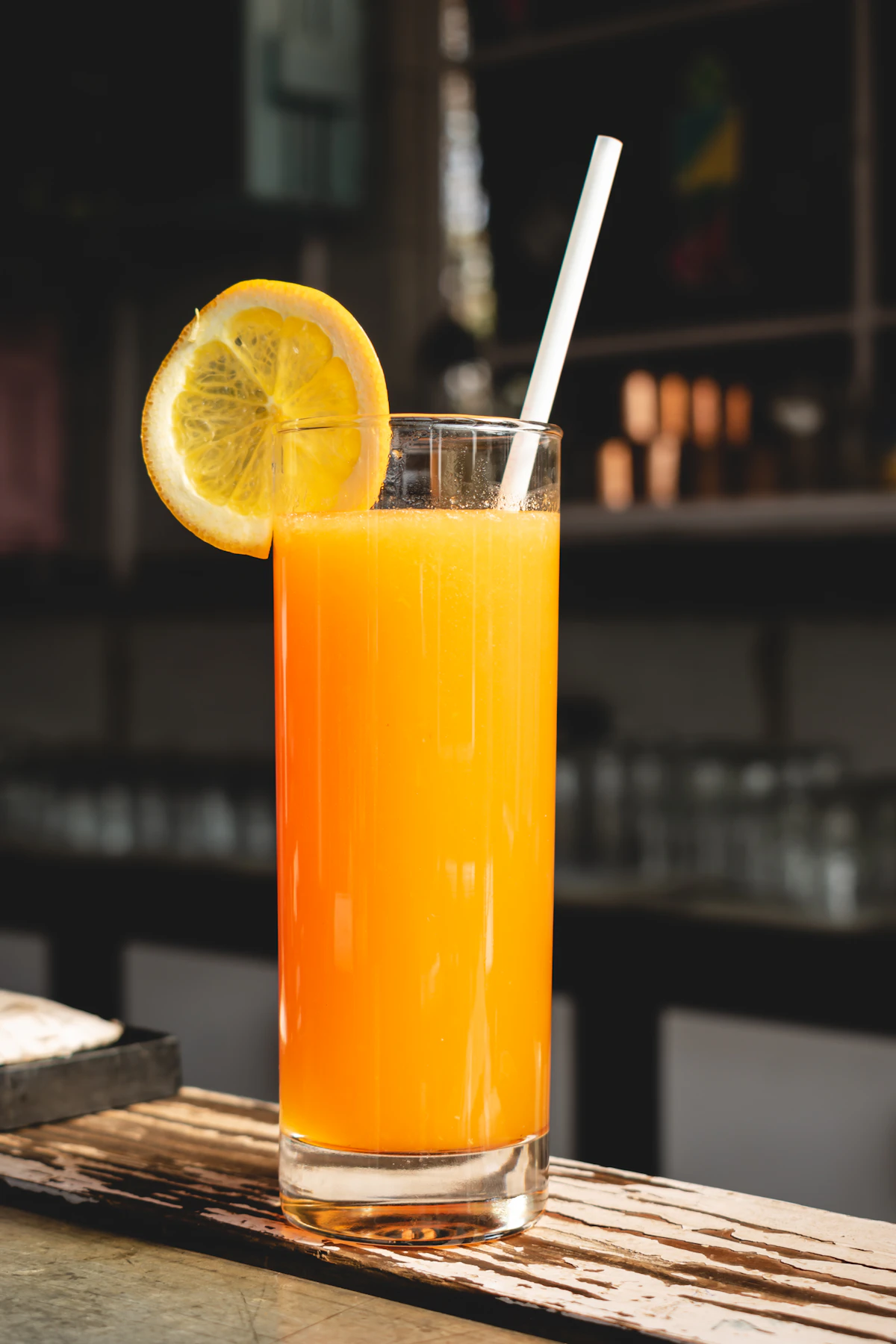

Eating out is one of the hardest parts of sticking to a nutrition plan. Menus use tempting language, portions are huge, and you rarely see full nutrition facts. The good news: you do not need to skip restaurants to eat well. This guide covers how to choose healthier restaurant meals, what to scan or ask for, and how to stay on track without ruining the experience.
Why restaurant meals throw off your goals
- Hidden fats - butter in sauces, oil on grills, dressing pre-mixed into salads
- Large portions - one "entrée" can be two meals of calories
- Sodium - often 1,000 mg+ per dish, which affects water weight and blood pressure
- Drinks and sides - bread baskets, fries, and sugary cocktails add up quietly
Tracking apps help only if you know what you ordered. That is why menu scanning and a few ordering habits matter more than willpower alone.
Before you order: a 30-second menu strategy
- Protein first - fish, chicken, tofu, eggs, lean beef. Build the meal around this.
- Vegetables second - side salad, roasted veg, soup with clear broth.
- Be careful with "crispy," "creamy," and "loaded" - code words for fried and heavy sauce.
- Ask how it is cooked - grilled, baked, or steamed beats deep-fried.
- Split or box half - before you eat, not after you are full.
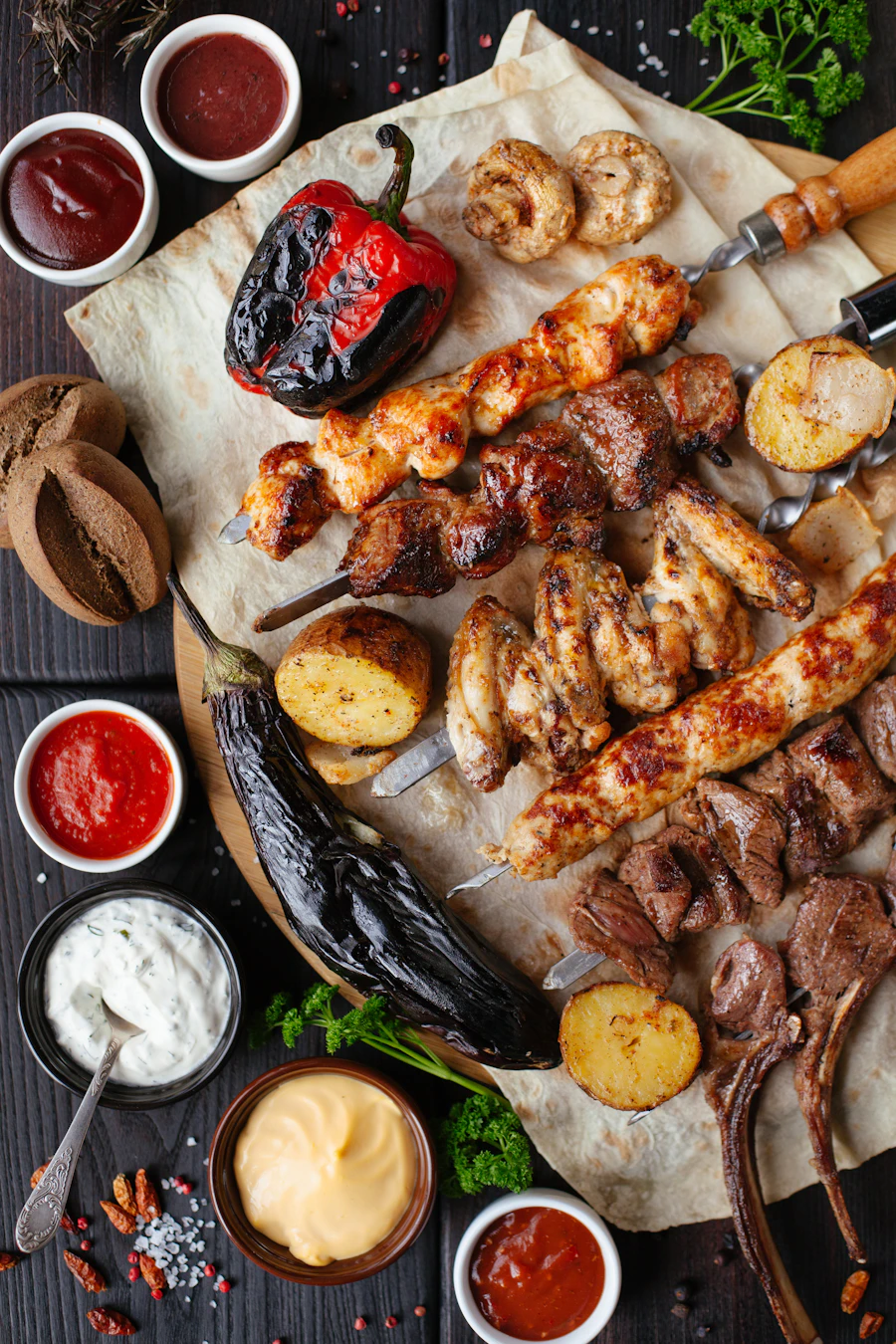
Best choices by cuisine (quick reference)
Mediterranean / Middle Eastern
Grilled kebab, shawarma plate with salad, hummus with vegetables, lentil soup. Watch extra pita and fried falafel portions.
Italian
Grilled fish, tomato-based pasta (reasonable portion), minestrone. Limit creamy Alfredo and unlimited breadsticks.
Asian
Stir-fry with extra vegetables, steamed dumplings, pho with lean protein. Fried rice and sweet sauces are calorie-dense.
American / diner
Burger without bun or open-faced, grilled chicken sandwich, omelet with vegetables. Fries and milkshakes are the usual trap.
Fast casual
Bowls with rice or greens, double vegetables, sauce on the side. Burrito bowls beat quesadillas for control.
Menu scanning: compare before you commit
Some nutrition apps let you scan a restaurant menu with your camera and compare calories, protein, or sodium across dishes before the waiter arrives. That is faster than guessing whether the "healthy salad" has more calories than the soup.
Tips for menu scans:
- Scan in good light - glare on laminated menus causes errors
- Confirm the dish name matches what the app detected
- If nutrition is missing, pick a similar item and adjust portions manually
For logging the meal after you eat, photo scanning works when there is no barcode. See Photo vs Barcode vs Voice Calorie Logging.
Drinks, starters, and desserts
- Water or unsweetened drinks first - thirst mimics hunger.
- One shared starter beats multiple apps for the table.
- Dessert: share it, or choose fruit / coffee if you are full.
- Alcohol: energy-dense and lowers guardrails - decide ahead if you will have one.
Social pressure without guilt
You are there to enjoy people, not perform perfection. Practical scripts:
- "Dressing on the side, please."
- "Vegetables instead of fries if possible."
- "I will start with soup or salad."
One restaurant meal does not define your week. What you do the next morning (normal breakfast, usual logging) matters more than one night out.

When eating out is a weekly habit
If you dine out often for work or lifestyle, consider:
- Default "rotation" of 3-4 meals you know fit your goals
- A dietitian review of your usual orders - small swaps add up
- Apps that combine menu scan + meal log + professional guidance
Choosing software: How to Choose a Nutrition App. Booking human support: Book a Certified Nutritionist in the App.
Related reading
Eating well at restaurants is a skill - not a test. Scan the menu when you can, anchor on protein and vegetables, and log honestly afterward. You keep the social life and the progress.