
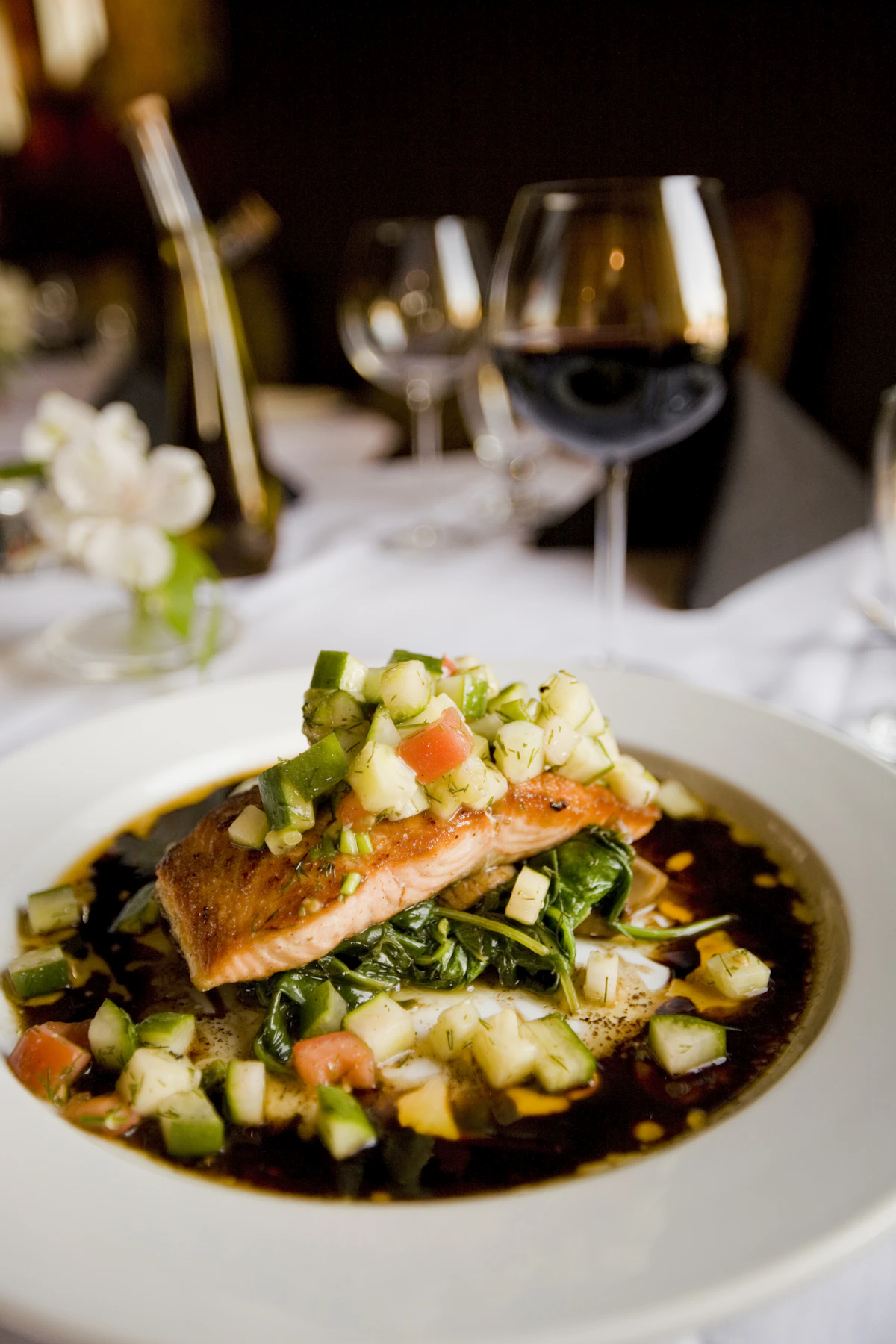
GLP-1 medications (such as semaglutide and tirzepatide brands your clinician prescribed) change how much you want to eat. They do not automatically choose what you eat. In 2026 that gap is the whole nutrition story: smaller meals, a real risk of losing muscle with the fat, constipation for many people, and a supermarket aisle of unregulated "GLP-1-friendly" labels.
This guide is for adults already on a prescribed GLP-1 who want a practical plate: protein first, fiber next, muscle in mind. It is educational, not medical advice. Dose, side effects, and whether you should be on the drug at all belong with your prescribing clinician.
Disclosure: SmartEat is our product. We do not prescribe GLP-1s. We do help you track protein and fiber, scan small plates, and book a certified nutritionist when the medication is working but the diet is not.
What actually changes on a GLP-1
Appetite drops. Portions shrink. You may feel full after a few bites, skip meals without noticing, or tolerate liquids better than a big dinner. That is the point of the drug for weight management - and the trap. Less food means fewer calories and fewer nutrients unless you spend those bites on purpose.
Research and clinic reports keep repeating the same warning: a large share of GLP-1 weight loss can be lean mass (including muscle), not only fat, if protein and resistance training are ignored. Numbers vary by study, but the direction is consistent enough to plan around. You want the scale to move. You also want to keep the tissue that keeps metabolism, strength, and blood sugar handling intact.
Priority order when you can only eat a little
Eat this first at every meal. If you fill up on crackers, the protein never happens.
Vegetables, beans, oats, berries - raised slowly, with water. Helps constipation, a common GLP-1 complaint.
Water, broth, unsweetened drinks. Fiber without fluid often makes constipation worse.
Carbs and fats you enjoy, in the space that is left. Not zero - just not first when appetite is tiny.
Protein: how much, and how to get it down
There is no single GLP-1 protein prescription. Many dietitians still use a practical floor of about 25 to 30 grams of protein per eating occasion when you can manage that volume, and a daily range often around 1.2 to 1.6 grams per kilogram of a realistic body-weight target. Your clinician may set a different number for kidney disease, age, or training load. Do not copy a bodybuilder target if you can barely finish a yogurt.
When solid food is hard (first weeks, or after a dose increase), liquids count: Greek yogurt smoothies, cottage cheese, tofu, eggs, fish, poultry, whey or a clinician-approved protein drink. Start the meal with the protein, then add vegetables, then starch.
- Easy hits: Greek yogurt, cottage cheese, eggs, canned tuna or salmon, chicken, tofu, edamame, skyr
- If chewing is a lot: smoothie with yogurt or protein powder, bone broth plus a protein drink, silken tofu
- Skip as your "protein": protein pretzels and protein cookies that are still ultra-processed snacks with a health halo

Pair protein with resistance training if your clinician says it is safe. Protein without any stimulus still helps more than protein-free eating, but muscle is built and kept with both.
Fiber: useful, easy to overdo
"Fibermaxxing" is the 2026 social-media name for something dietitians have said for decades: most adults eat too little fiber. On a GLP-1 it matters twice - satiety in a small meal, and constipation from slower gut motility.
Typical adult targets sit around 25 to 35 grams a day, from food first. The mistake is jumping from 10 grams to 40 overnight. Increase by about 3 to 5 grams every few days, drink more water, and stop or slow down if bloating, cramping, or worse constipation shows up. People with IBS, IBD, or other GI diagnoses should not "max" fiber from a TikTok list - get a plan.
- Gentle adds: oats, berries, kiwi, cooked vegetables, chia in yogurt, lentils in a small soup
- Harder on a sensitive gut: huge raw salads, sugar-free fiber candies, stacking three supplements at once

A simple GLP-1 plate (when appetite is low)
Think in bites, not in "clean your plate":
- Protein - half of what you will actually eat
- Produce - cooked vegetables or fruit for fiber and volume that is still soft
- Starch or fat - rice, potato, olive oil, avocado - enough for energy and taste
Three small meals often beat one heroic dinner you cannot finish. If mornings are nauseous, shift protein to the window you tolerate. Log what you did eat, not the meal you planned.
What to be careful with
- Greasy, fried, and very sugary meals - common nausea triggers on these drugs
- Alcohol - hits harder on a small stomach; ask your clinician
- Carbonated drinks - bloating for some people
- "GLP-1-friendly" packaged foods - the phrase is marketing, not a regulated standard. Read protein, fiber, added sugar, and serving size yourself
- Skipping protein for days because "I'm just not hungry" - that is when muscle loss accelerates
Ultra-processed snacks can still fit in a small calorie budget and leave you with almost no protein. For the broader UPF picture, see What are ultra-processed foods?
How to track when portions look tiny
Photo scans help on mixed plates - then edit. A 2026 NIH kitchen test found popular photo AI apps ran about a third low on calories and fat if you never adjust the result. On a GLP-1 that error still matters, because every bite is a larger share of the day. Treat the scan as a draft, add oils, and use a barcode on yogurt, shakes, and labeled protein. Details: Why AI calorie scanners underestimate meals.
Track protein grams and fiber grams before you obsess over a perfect calorie target. If the diary and the scale disagree for two weeks, that is a dietitian conversation, not a reason to double the drug dose on your own.
When to involve a dietitian (and your prescriber)
Book nutrition support sooner if you have persistent vomiting, cannot keep protein down, lose weight very fast, feel weak, have a history of disordered eating, are pregnant or planning pregnancy, or have diabetes, kidney disease, or GI disease. Apps spot patterns. They do not manage medications. More on that split: When to see a dietitian vs a nutrition app and booking a certified nutritionist in the app.
How SmartEat fits
SmartEat will not replace your prescription. It will help you spend a small appetite on purpose: scan the plate you actually ate, see protein and fiber in the diary, keep a streak when motivation is low, and talk to a certified nutritionist without leaving the app. That is the 2026 job - not another "eat less" slogan.
Bottom line
On a GLP-1, hunger is no longer a reliable grocery list. Put protein first to protect muscle, raise fiber slowly with water to protect your gut, lift if you can, and get a human involved when intake stays too low. The medication changes appetite. You still choose the bites.
Educational only. Not medical advice. Do not start, stop, or change a GLP-1 without your clinician.
Related reading: