

Search balanced nutrition and you get two extremes: a rainbow bowl that never exists on a Tuesday, or a list of foods you are not allowed to eat. Neither is how people eat for years. This article is the dietitian version: what a balanced plate is, how much protein, carbs, fat, and plants actually matter, and what you can skip.
I am writing this as a dietitian, not as a wellness brand. Balanced nutrition is not a cleanse, a blood-type diet, or “no carbs after 6.” It is a pattern you can repeat at home, at work, and in a restaurant without a spreadsheet.
This is general education, not medical advice. Pregnancy, eating-disorder recovery, kidney disease, diabetes on insulin, and medically prescribed diets need a clinician, not a blog post.
Disclosure: SmartEat is a nutrition app. We do not sell fat-burner pills. We do help you log meals, see protein and fiber, and share a week with a certified dietitian.
What “balanced nutrition” actually means
Guidelines from the WHO, USDA MyPlate, and Harvard’s Nutrition Source disagree on graphics. They agree on the pattern:
- Most of the plate is plants - vegetables, fruit, legumes, and some whole grains.
- Protein shows up at meals, not only at dinner.
- Added sugar, salty ultra-processed food, and sugary drinks are the volume knobs most people can turn first.
- Calories still matter for weight. The plate is how you hit those calories without living on crackers or chicken breast only.
If your “healthy” day is a protein shake, a coffee, and a huge steak, that is high protein. It is not balanced. Fiber, potassium, and the foods that actually show up in heart-disease research are missing. If your day is toast, fruit, and pasta with no protein until 9 p.m., you will be hungry and you will overeat at night. Balance is both.
The plate method (use this before an app)
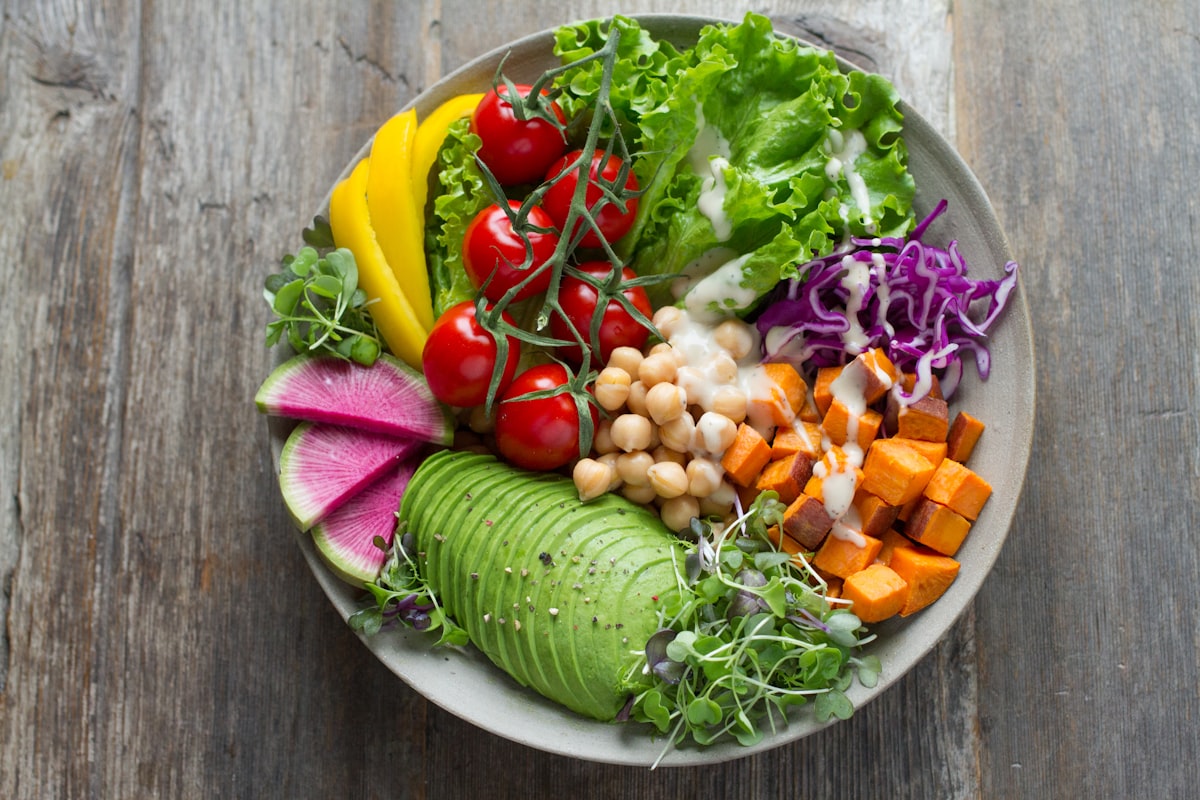
Harvard’s Healthy Eating Plate is the version I use in clinic because it is a picture, not a sermon:
- Half vegetables and fruit. More vegetables than fruit at lunch and dinner. Fruit is fine. Juice is not a serving of fruit.
- A quarter protein. Palm-size cooked meat or fish, a cup of legumes, eggs, tofu, or Greek yogurt. Details on grams: how much protein per day.
- A quarter whole grains or starch. Brown rice, oats, whole-wheat bread, potato, corn. White rice is not a moral failure. Make the other half of the plate do more work if you eat it often.
- Healthy oils in cooking - olive or canola, not a free pour of cream sauce.
- Water. Skip the automatic soda.
MyPlate is the same idea with dairy on the side. You do not need both graphics. You need the half / quarter / quarter habit on most plates, most days. Restaurant plates are oversized. Mentally split the entrée or box half - see how to eat healthy at restaurants.
Macros without turning dinner into homework
Protein, carbohydrate, and fat all belong on a balanced plate. Cutting one “to lose weight” usually backfires: zero-fat leaves you hungry, zero-carb wrecks training and then the water comes back, all-protein crowds out fiber.
A workable split for many adults, once calories are in a sane range:
- Protein: enough to stay full and keep muscle - often in the 1.2 to 1.6 g/kg band for adults who want the current U.S. dietary-guideline range, not a contest.
- Carbs: enough to fuel work and walks. Fruit, legumes, and grains are not the enemy. Soda and pastry are optional volume.
- Fat: enough for cooking and satiety. Nuts and olive oil count. The tub of ice cream still counts.
If numbers help you, track for a week with the 80/20 rule in how to count macros without stress. If numbers spike anxiety or you have an eating-disorder history, stay on the plate picture and skip the gram chase.
The part most “balanced diet” posts skip: ultra-processed volume
You can hit macros on packaged food and still feel awful. Ultra-processed snacks are easy to overeat, high in sodium, and low in the plants that carry fiber. That is not a purity test. It is why swapping one delivery night for a grain-and-bean bowl moves the scale and digestion more than adding a vitamin.
Read what ultra-processed foods actually are. For packaged swaps, compare two cereals or two yogurts with Nutri-Score or the free Nutri-Score and NOVA checker - letter grades are per 100 g, not a license to eat the box.
What a balanced day looks like (not a branded meal plan)
Repeatable, not pretty:
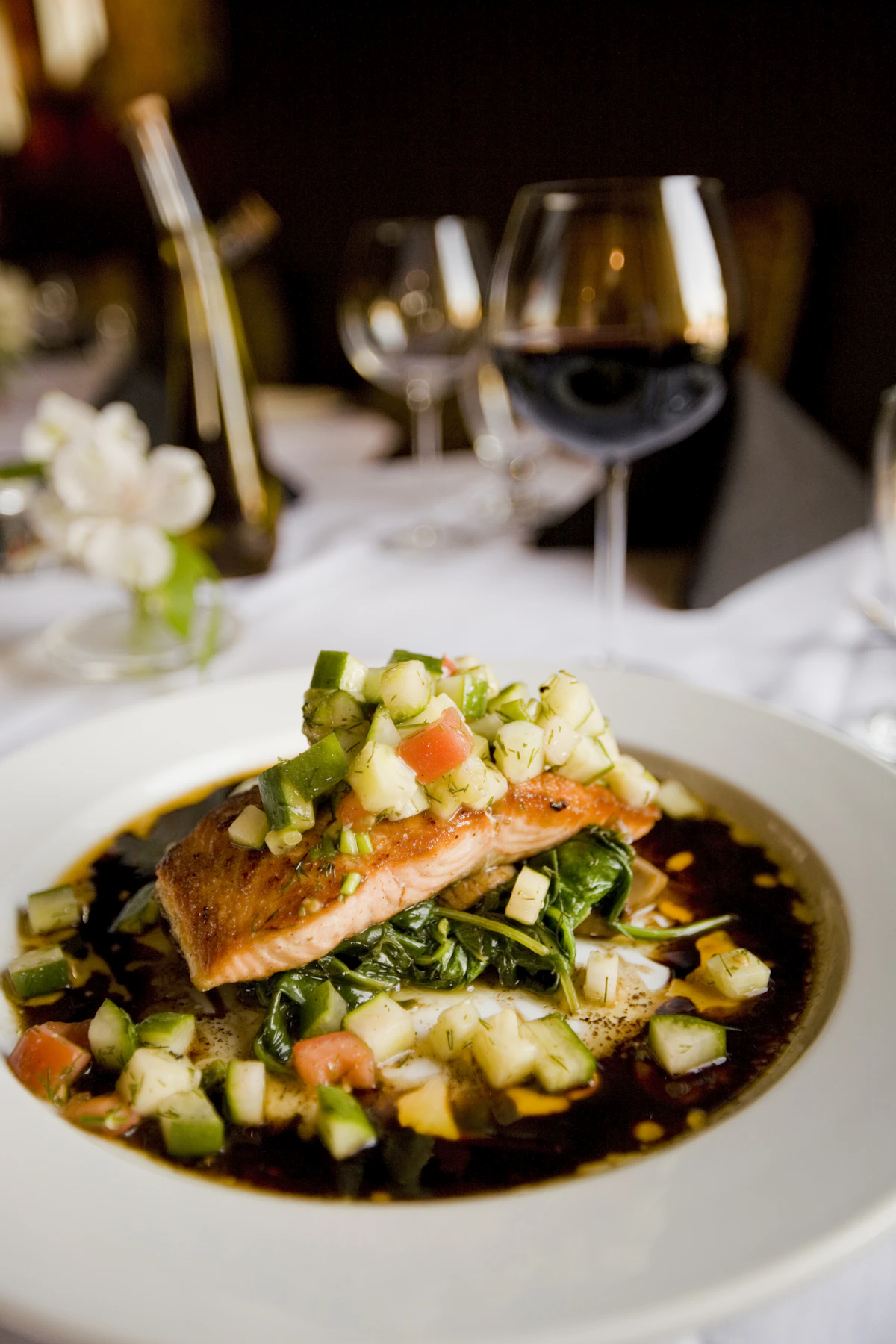
- Breakfast: eggs or Greek yogurt, fruit, optional oats. Protein first so you are not hunting pastry at 11.
- Lunch: palm of chicken, fish, tofu, or beans; half a plate of vegetables; a fist of starch if you train or stay hungry.
- Dinner: same template. Slightly less starch if evenings are the leak.
- Drinks: water, coffee, tea. Treat juice and soda as dessert.
- Snack only if hungry: yogurt, fruit, leftover protein - not a second dinner of chips.
Cook more than you order. One restaurant meal is fine. A week of them is how “I eat healthy” and the food diary disagree. If weight is the goal, a moderate deficit still uses this plate - use the calorie deficit calculator instead of deleting food groups.
Myths that are not balanced nutrition
- “Clean eating.” Food is not dirty. Hygiene is. A pattern of plants, protein, and reasonable portions is the science. A banned-food identity is not.
- “Detox” and juice weeks. Your liver does not need a product. You need fiber, protein, and sleep.
- Default 1,200 kcal. That is a clinic tool for some small adults, not a universal reset. Unsupervised very-low-calorie diets belong with a clinician.
- Cutting a whole food group without a diagnosis (celiac, allergy). You lose nutrients and usually rebound.
- Supplements instead of dinner. A powder can help when appetite is tiny. It does not replace vegetables.
How to check your week without obsessing
Log 7 honest days. Look at three things only: protein at breakfast, vegetables at lunch and dinner, sugary drinks. If those three look decent, you are closer to balanced than a perfect Tuesday and a wrecked weekend.
In SmartEat you can scan a plate or a barcode, then ask Skyler where the day drifted. Download: smarteat.co/en. If hunger, medical conditions, or the numbers do not match after two weeks, that is a dietitian visit, not a stricter ban list.
Sources
- Harvard T.H. Chan School of Public Health, The Nutrition Source. Healthy Eating Plate.
- U.S. Department of Agriculture. MyPlate.
- U.S. Dietary Guidelines. Dietary Guidelines for Americans.
- World Health Organization. Healthy diet fact sheet.
Educational only, not medical advice. A balanced pattern is the default. Your labs, medicines, and culture decide the details.